
It’s St. Patrick’s Day, 1999.
In the middle of a mild afternoon, my first little sister is born.
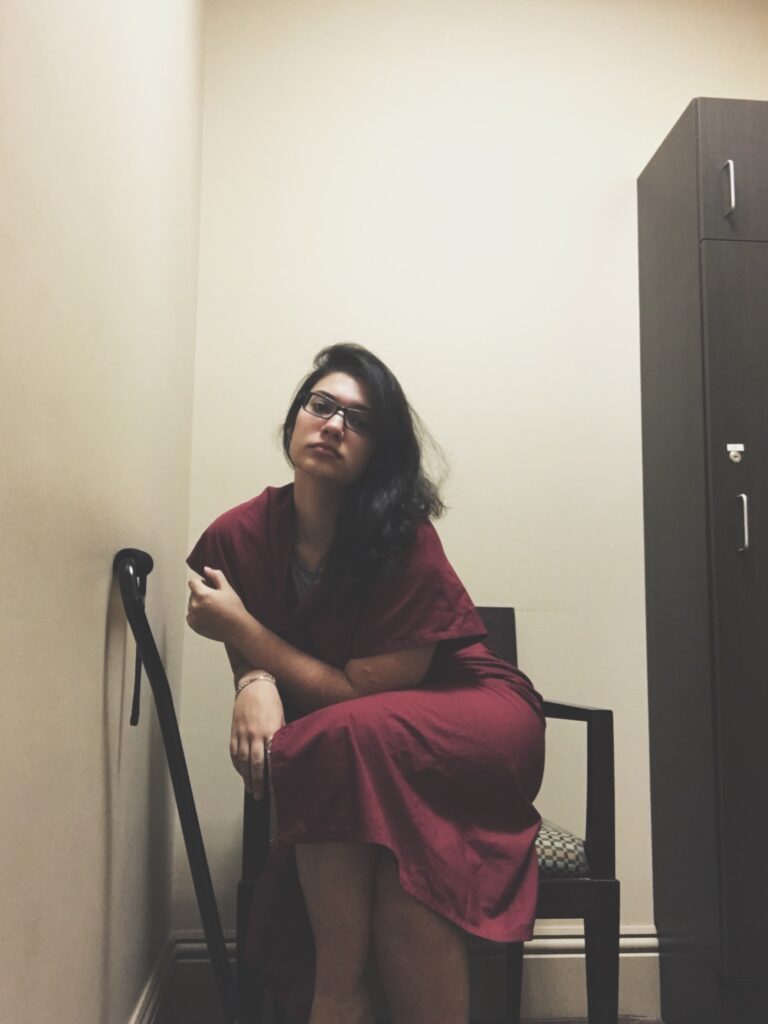
I am six-and-a-half years old, walking into the hospital with some family members. I’d thankfully never spent much time in that environment, which ironically would change only a few years later.
Entering the cold, bare room, Mother is laid up in a hospital bed, exhausted and frustrated after a complicated delivery.
My sister lies in a plastic bassinet to the right of the hospital bed. She is swaddled in pilled cotton blankets, her face squinched up into a sour-lemon pucker. She moans and wiggles a bit, trying to break free of her fabric prison. The adults are talking.
I look closer at her. I notice don’t feel that feeling that everyone told me I would feel. My face squinches up into the same sour-lemon pucker.
I walk away from the bassinet, sit in the spare chair, and start reading my book.
When people describe how they feel when they look at babies, they usually use words like awe, enamored, obsessed. Positively touched in some way. Revolted is how I would describe what I felt each time I looked at an infant. Human babies are wrinkly and squishy and crusty and stinky and whiny.
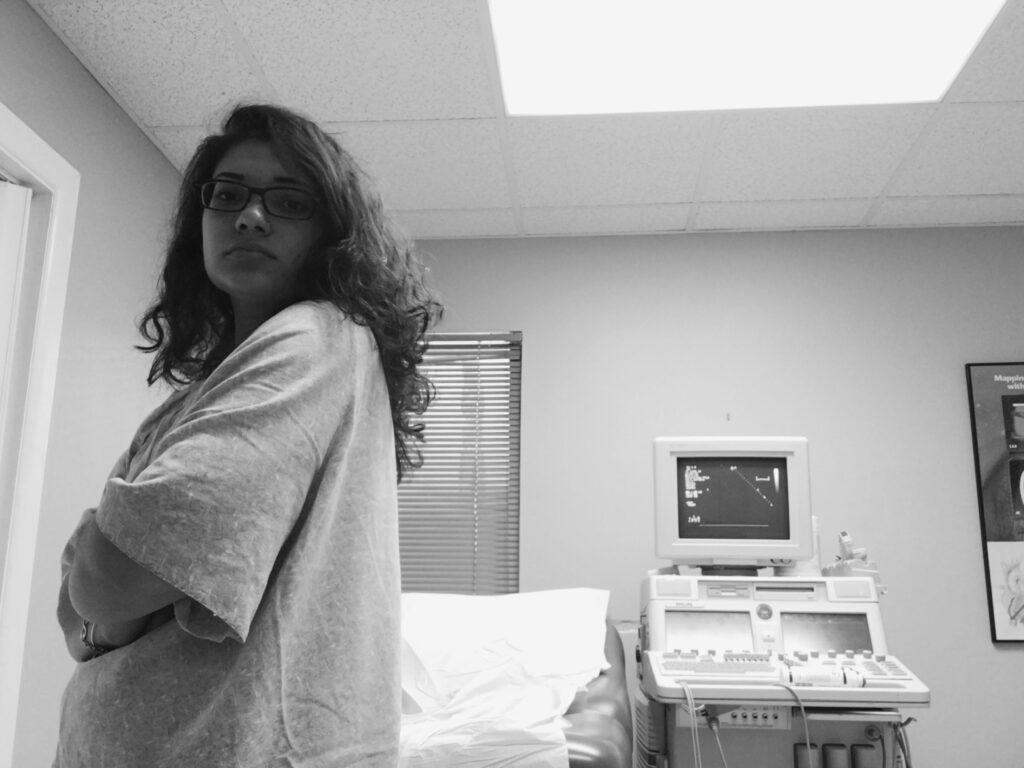
I learned early on all the not-so-positive things that come with having children. The truth behind the “fairy-tale” women are sold.
My second sister and brother were born when I was older, 13 and 16. That was when I fully understood just how much work is entailed in child-rearing. I filled in as a third parent—changing diapers, washing dirty bottles, picking up and dropping off from school. I did pretty much everything except physically bear and birth the children.
Pregnancy was a horror story on its own to me. I thankfully witnessed very easy pregnancies with my mother, but even the basics turned me off.
Nine months of slow constant uncontrollable swelling with another lifeform kicking around inside of my uterus and vomiting hair growth hormones bleeding cramping internal organs shifting permanent bodily changes.
Children?
Not for me. No thank you.
I’ve been certain about that decision since I was 16.
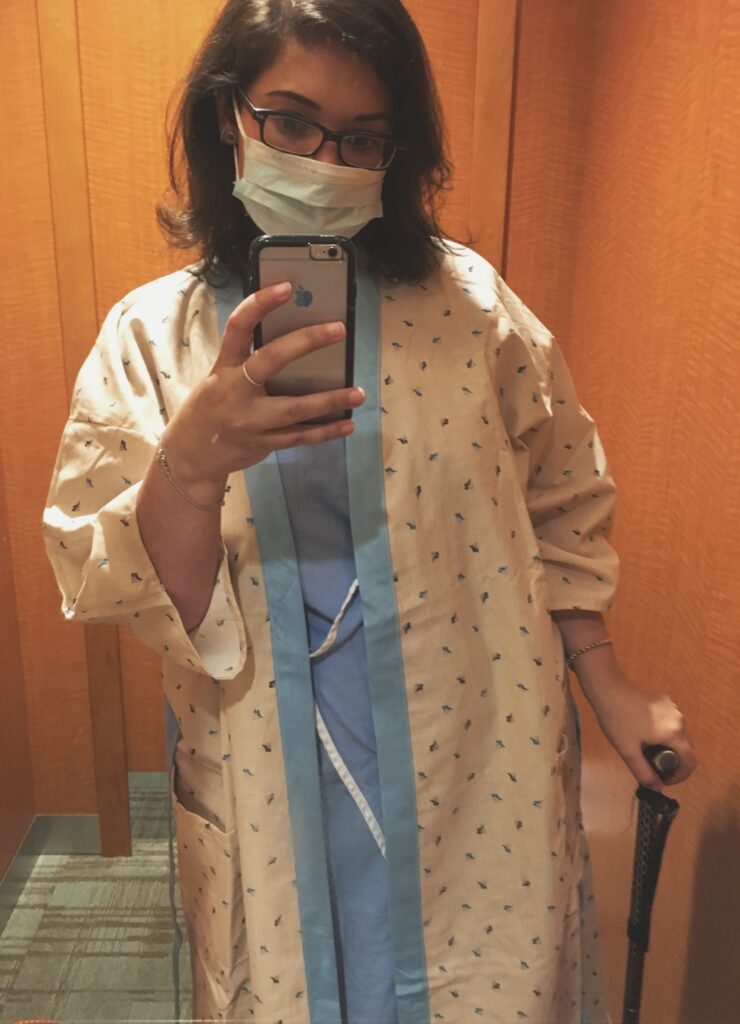
I got my first period when I was 13. It wasn’t that heavy or painful, but I remember feeling disgusting and watching I Am Sam while eating ice cream and sobbing hysterically.
Typical hormonal response.
But I was also struggling with anorexia, so after that first period, it never came back. Maybe I would have spotting here or there, but I didn’t have a normal period until I recovered in my early 20s.
As I got into my late 20s, I noticed some changes. Very few women I know have ever been adequately educated about the several hormonal developments women experience throughout their decades. It’s not just adolescent puberty. I’ve gone through significant hormonal adjustments at 13, 21, and then 29. There will probably be more in the future.
The first odd change was heavier bleeding. I’d always been a light bleeder and it never lasted more than a few days. Sometimes I could get away with only using a couple of feminine products per cycle. I counted myself lucky.
But then came the pain. Physical and mental.
At first, it was just during my menstrual phase. My cramps were worse than ever and during the first few days of my cycle I would be stuck in bed or the bathroom floor. But they would pass.
Then I started to notice the mood swings. A week before my period, like clockwork, I would fall into the void of despair. Not just depression, but acute anxiety, deep despair, pervasive paranoia and ruthless suicidal ideation. It felt out of my control. After being in therapy for almost 15 years and through various ups and downs of life, I’ve kept myself pretty sane and stable.
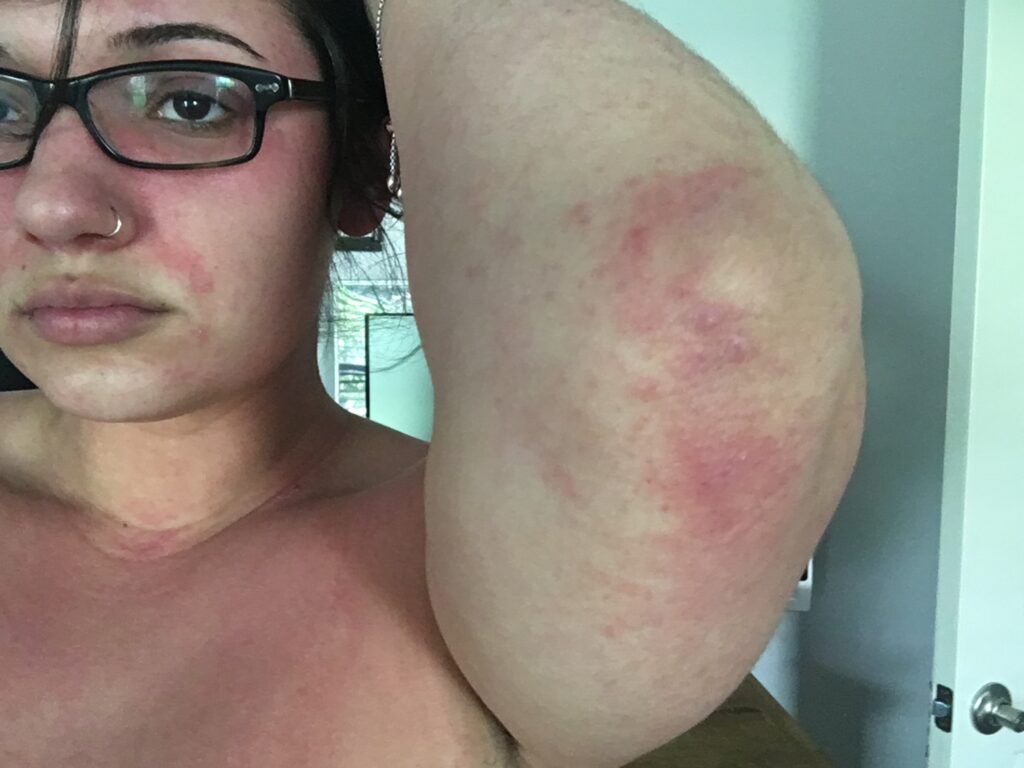
I went to several gynecologist for yearly wellness exams and explained the changes in my symptoms. They all said it was normal: “Things change every decade as a woman! Get used to it!”
I was advised to eat healthy, exercise, reduce stress, see a psychiatrist.
After years of managing without psychiatric medication, I caved and asked for help with the mental symptoms. I filled a prescription for Prozac and the continued advice to eat well, exercise often, don’t stress.
As if I haven’t already tried all of that every day for years and just slowly watched my condition worsen and worsen. But this is nothing new to me. Living with chronic and complex illnesses for over 20 years has taught me that too often we are forced to wait until a condition has reach a particular level of unbearability. Especially for young women.
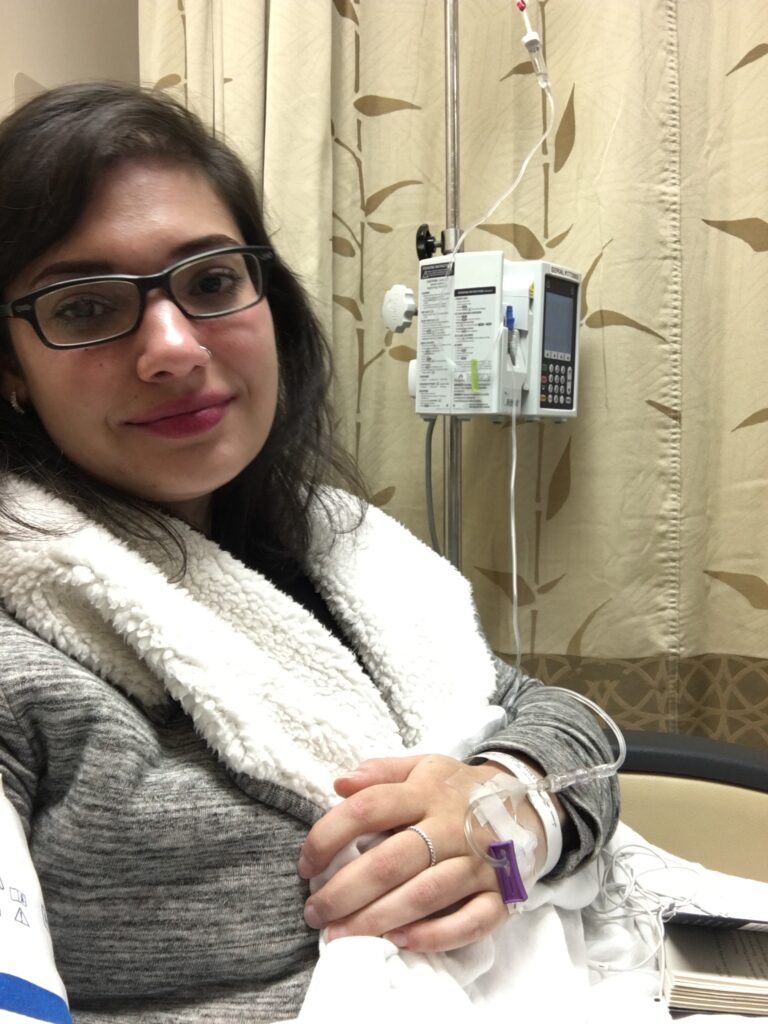
Currently, I am at the point where I have menstrual pain all month. My uterus is hard and distended, visibly inflamed and swollen. With every step I can feel the weight of the extra tissue weighing me down.
The pain is a gut-wrenching gouge. You know when you were a kid on Halloween Eve and you whip out the old, serrated scooper to clean out your Jack-o-Lantern? The inside of my uterus feels like it’s being scraped clean with the toothed edge with the iron heated cherry-red. My entire lower abdomen a hollowing pumpkin.
No longer occurring just during my cycle, or just the week before, or just 10 days before, or just two weeks before. For the past three months this pain has been nonstop. Pain while walking. Pain while sitting. Pain while standing. Pain while sleeping. Pain while shitting. Pain while pissing. Pain while fucking. Pain pain pain pain pain pain.
I am no stranger to this constant pain. My knee-back-neck-hip-elbow-shoulders have existed in a constant state of discomfort since I was 8 thanks to Ehlers Danlos Syndrome.
But there’s something about the literal heaviness of this condition. I can feel the density accumulating in my pelvis each month. I don’t gain much weight but my clothes are signifcantly tighter. I often can’t stand for anything to be around my mid-section. Most days lately have been completely miserable.
My story is one of far too many. The more people I speak to about this health struggle, the more I find similar stories of suffering.
Thankfully there was light in this particular tunnel. I hit the jackpot when I told my primary doctor about the worsening symptoms. She had the same experience and told me I probably have endometriosis.
She had great success with a specialist gynecologist in the same hospital. He was a man—usually a no-go for me—but I trusted her recommendation. I scheduled an appointment with him and for an external and internal ultrasound.
The gynecologist is sweet, attentive, caring. Everything my primary promised he would be. He listens to my long and dramatic menstrual tales and looks at the ultrasound.
“Oof, these pictures are bad!” he squints at the computer monitor.
“Bad? What the fuck do you mean bad?” In the first few minutes, I know I can be my unfiltered self with him.
“I mean like bad quality.” He ticks his tongue. “Blurry. The tech didn’t do a very good job.”
“What do you mean? I paid $350 for that shit!”
He gives me a look with raised eyebrows. “Don’t worry…I can see it still. The endometriosis. It’s definitely here. And not just that.”
He turns the screen towards me.
“You see this big dark spot? That’s on your uterus. There’s a secondary, related condition called adenomyosis.”
He draws on the back of a piece of paper—a sample uterus with ovaries and tubes and growths all over the inside and outside.
“It’s just like endometriosis, but it grows inside the muscle walls of the uterus. It’s very painful and your symptoms fit exactly with the textbook definition.”
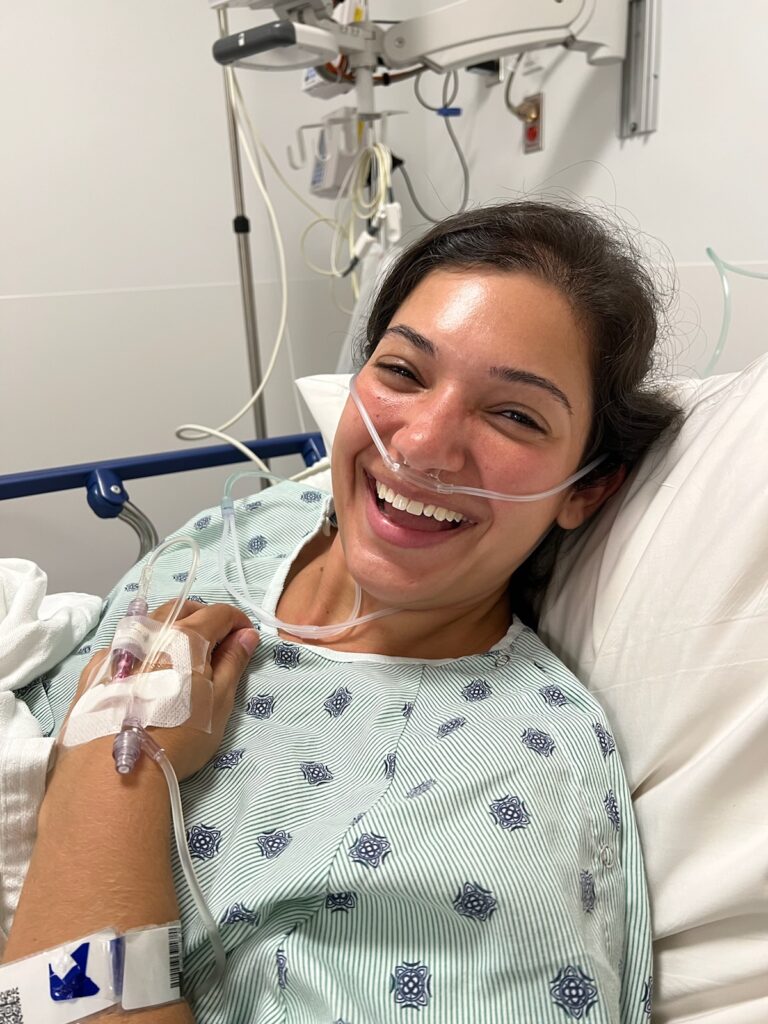
I take a moment to absorb on another significant, complicated medical diagnosis.
“What causes this? What can you do about it?”
The doctor eyes me cautiously. “Well, the endometriosis outside of your uterus we can cut out. There might be a lot, but we can get it out. But the uterus…”
He pauses, blinks at me with flitting lashes and blue eyes.
“You don’t have any previous pregnancies or children. Are you planning that?”
I grimace.
“No, absolutely not.” I say firmly. “I don’t want children.”
“I believe you” he says. “I’m not going to give you the usual platitudes. You’re 33–you know what you want at this point. The only way we know to fully solve adenomyosis is to remove the uterus. But obviously, that is a permanent decision, so I must communicate that. And also… they’re going to do everything they can to keep it inside of you.”
He starts typing orders on the computer.
“They?” I question.
“You know,” he winks and then rolls his eyes.
They.
Those who want every uterus bearing person to endure carrying children.
(Fuck that!)
The gynecologist orders the MRI. He makes a note the test is for endometriosis and promises the quality will be good.
As he exits the room, he says: “Also, if they want you to pay an excessive amount for that MRI…” He mouths: don’t pay it.
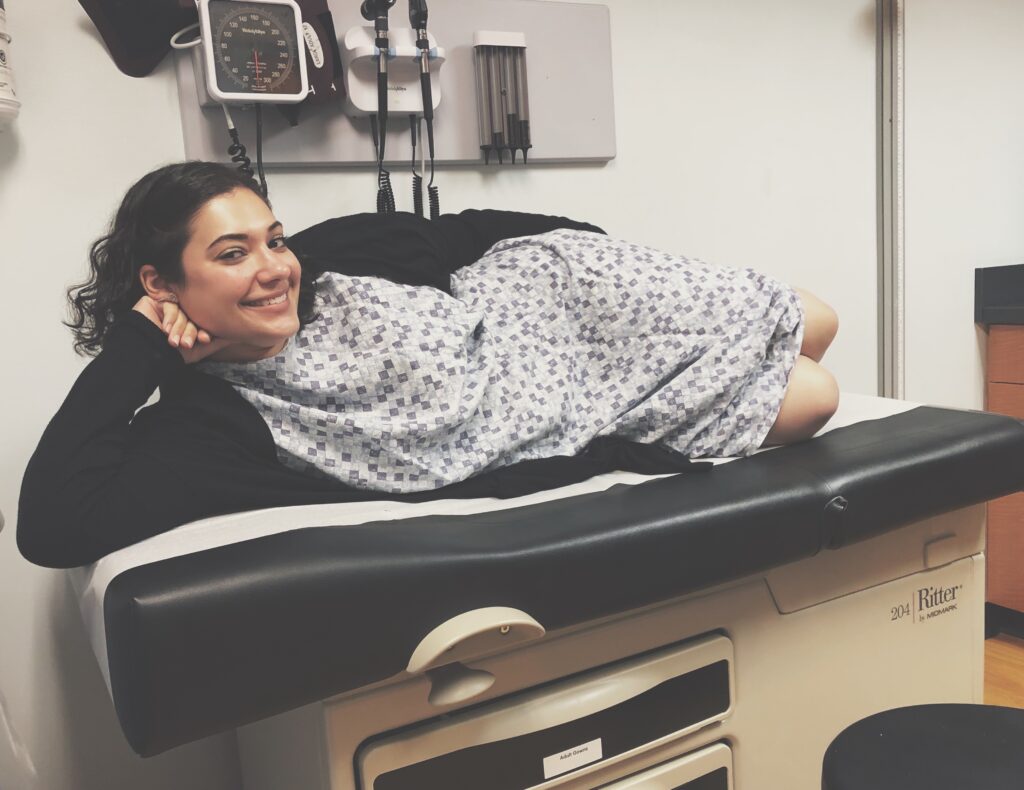
While waiting for the MRI appointment, we decide to try a birth control that is safe for my high blood pressure, but the doctor warns me to stop taking it if I feel mentally unwell. I don’t even last two weeks on the pill before I start to lose my mind. I message them and announce I will no longer be taking it.
I have the MRI with an amazing tech who has experienced the same struggles. She promises me the images will be clear and hands me a 60ml syringe of lube to shove up my chocha.
I’ll spare you the details of that story.
The gynecologist calls very early one morning:
“Hi dear! It’s Dr. [Redacted]. Do you have a minute?”
“H-hey, good morning,” my voice is extra gravelly in the morning. “Sure.”
“I was just taking a peek over your MRI. I know you have a follow-up appointment next Friday, but I wanted to talk to you about it now.”
I’ve been in enough medically complex situations to know it’s never good when the surgeon calls directly. It almost always means the situation is serious.
“Sure, I have time,” fighting to keep my eyes open.
“The endometriosis is all over the back of your pelvis. Bowels, bladder, tubes, but thankfully your ovaries look okay from here. You have what we call deep-infiltrating and if it’s this visible on the MRI, it is most likely even worse inside.”
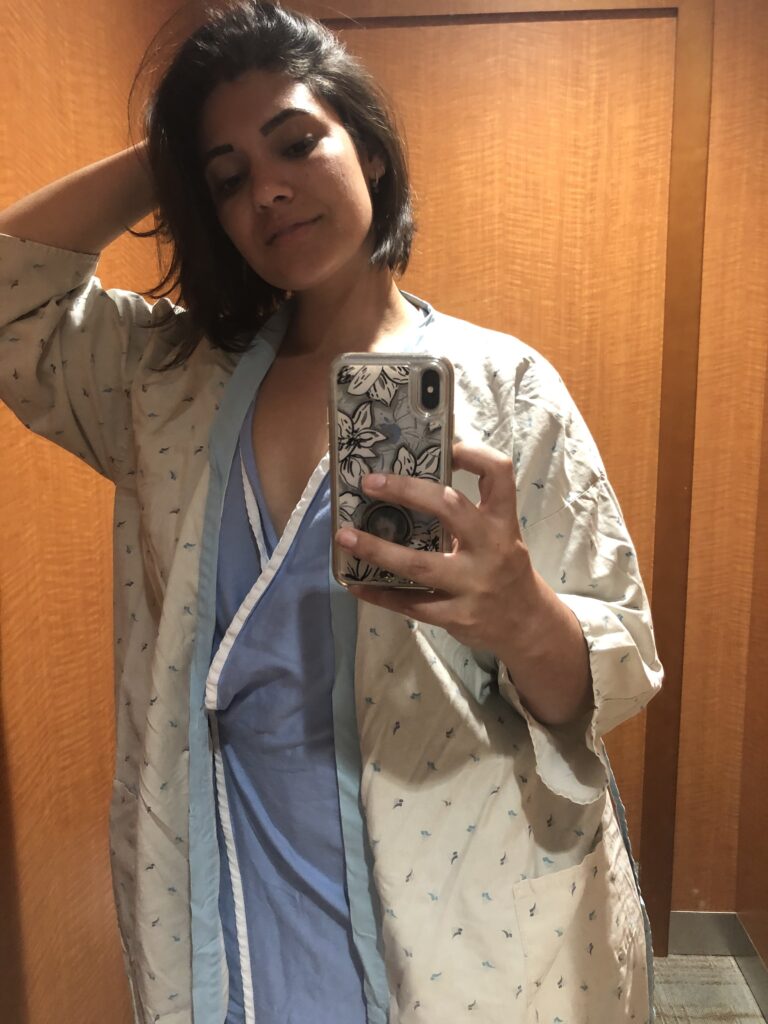
“Oye” is all I can manage. I’m not surprised… but really? Here again?
The doctor continues. “The only thing for us to do for the endometriosis is excision surgery. This isn’t getting fixed with birth control. So that’s going to be my recommendation there…but as far as the adenomyosis…”
“The condition that directly affects the uterus?” I say.
“Yes…And I don’t want to re-hash this conversation, but you are sure you don’t want to have children?”
I’m awake now.
“Yes. I am sure. I don’t want children. I never have.”
“Okay, dear. I told you I believe you and I still do. So, here’s the reality. Based on the MRI, I can say with almost certainty that we are going to have to remove your uterus.”
“You know I have no problem with that. It’s causing me so much pain and there’s an endless list of reasons besides this that I don’t want children. I think my physical and mental illnesses alone are enough.”
He hesitates.
“I understand completely. But when the removal happens is all going to depend on what I can diagnose when I get in there. If the measurements align with the criteria for removal…we might have a chance. But it’s going to be an uphill battle…”
I don’t even need to ask why.
“Because we’re in the south and I am a young fertile woman with no children.”
He exhales a short laugh. “Correct. We are in the south and you are a young fertile woman with no children. But not all hope is lost…”
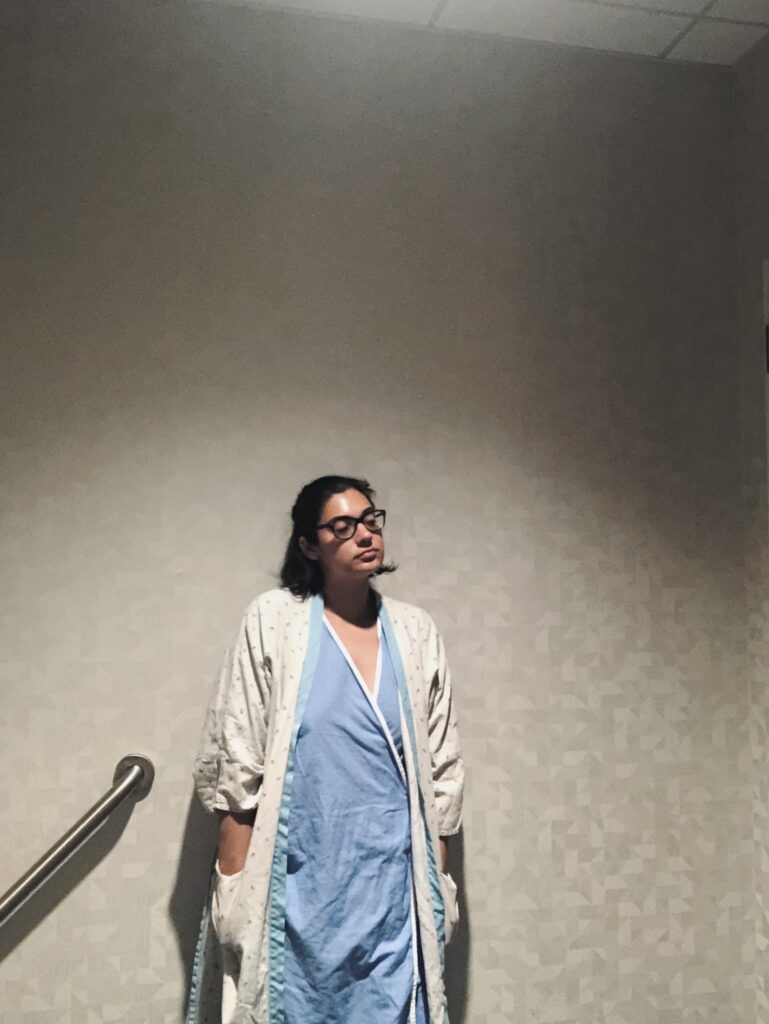
I’m angry and upset now. Not at him, but at them.
“So, I don’t have a choice what to do with my own body? My uterus is causing me extensive pain and I am being forced to keep it for what? Some hypothetical child that I’m never going to birth? I am the one who is alive and suffering…” I can’t help but to have an aggressive tone.
“You already know what side I stand on. It’s your body and your choice. But getting the partial hysterectomy approved through insurance is going to be influenced by those patriarchal identity roles.” He gets it.
I snort. “Fucking figures. I should be surprised but I’m not.”
He laughs. “I know it’s frustrating, but I promise I’m on your side. I can see on the MRI that you are really suffering. These tests only give us a piece of the picture so when it shows up this clearly, like I said, it’s not good. We’ll get the full image when we get in there.”
We schedule the procedure. Endometriosis excision, uterus and bladder scope.
I go back under the knife for surgery #8 on June 29th.
Until then, like always, I don’t only survive but prevail.
TO BE CONTINUED
Please consider donating to my surgery fund:
https://gofund.me/e615a3410